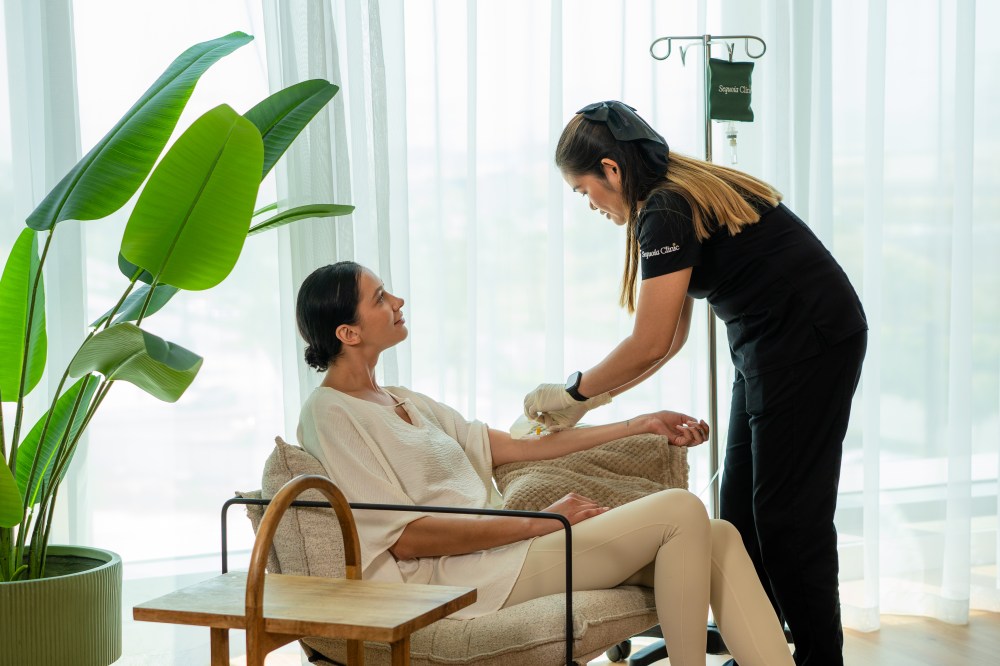
“I’m not sick, but I don’t feel like myself.” According to Sequoia Clinic, it is a sentiment being echoed by an increasing number of patients this summer, as more Dubai residents seek answers for fatigue, poor sleep, brain fog, digestive discomfort, skin concerns, and an overall sense of depletion.
While soaring temperatures are often blamed for summer fatigue, Sequoia Clinic says the heat tells only part of the story. Instead, clinicians are seeing the cumulative impact of multiple seasonal lifestyle changes unique to a Dubai summer, including disrupted routines, dehydration, travel, reduced movement, changes in eating habits, prolonged time in air-conditioned environments, and more time spent indoors. Rather than one single cause, clinicians say it is the combination of these factors that is leaving many residents feeling below their usual baseline.
Across consultations, Sequoia Clinic is seeing five recurring themes emerge most frequently this summer: fatigue and low energy, poor or non-restorative sleep, digestive symptoms, brain fog, and skin concerns. Rather than presenting in isolation, clinicians say these concerns increasingly appear together. Digestive concerns commonly emerge following travel and changes in routine or eating habits, while poor sleep and dehydration can contribute to brain fog and reduced concentration. Skin health is also affected, with dehydration, pigmentation, acne flare-ups, and sensitivity becoming more noticeable as heat, humidity, and disrupted skincare routines take their toll.
One of the biggest misconceptions, according to Sequoia Clinic, is that summer wellbeing comes down to drinking more water or simply avoiding the heat. In reality, hydration is influenced not only by water intake but also electrolyte balance, diet, travel, stress, and prolonged exposure to air-conditioned environments, while poor sleep, reduced movement, and disrupted routines can have a compounding effect across multiple aspects of wellbeing.
Beyond the symptoms themselves, Sequoia Clinic is also seeing a shift in how patients are responding. Rather than accepting these symptoms as an inevitable part of summer, more people are seeking to understand what is driving these changes and taking a more proactive approach to their health.
“What works for your body in winter won’t necessarily work in summer, and that’s not a failure, it’s physiology,” said Anna Wibage, CEO of Sequoia Clinic. “When the temperature rises and routines shift, the body is managing a different set of stressors, from disrupted sleep and changes in appetite to reduced movement and a less structured diet. Patients are increasingly recognising that their bodies have different needs at different times of the year. Rather than simply being told their results are ‘normal’, they want to understand whether they are functioning optimally and how they can better support their health through those seasonal transitions.“
For Sequoia Clinic, the trend reflects a broader shift in how residents are thinking about health. Rather than looking for quick fixes or waiting until they feel unwell, more people are focusing on optimisation, recovery, and understanding how their bodies are functioning before returning to busier routines later in the year.
For further information, please contact Sequoia Clinic via WhatsApp on 050 464 8513 or by landline on 04 267 4497. Full details are available at sequoiaclinic.ae.


 arabian business week
Leave a comment